
How To Win Texas Holdem At Casino
4/1/2022 admin
How To Win Texas Holdem At Casino Average ratng: 3,5/5 2316 reviews
If you run out of money, you can’t play, and if you can’t play, you can’t win. Good and bad Texas holdem players have ups and downs. Sometimes, bad players win for a short time and good players lose for a short time. If you’re a profitable Texas holdem player and can stay in the game long enough, the profit will follow. While it is practically impossible to learn how to win at poker every time in a monetary sense, due to the luck factor, by making decisions that are +EV you actually are winning every time you play. Players can find many types of poker games at online casinos, and all of them require skill, strategy, and a bit of luck. Texas Hold'em is the most popular poker game in the world, but three card poker is one How To Win At Texas Holdem Tournament of the quickest to learn. Play Good Cards and You Will Win. My #1 Texas Holdem tip is one of the very first. Play Fewer Hands. The biggest leak in most Texas Holdem player’s game is they play too many.
There’s a certain sense of romanticism surrounding Texas Hold’em. It’s one of the most popular poker variants in the world, often associated with badass Western movie characters or daring gamblers that risk enormous amounts of cash. It’s merely cool to play it.
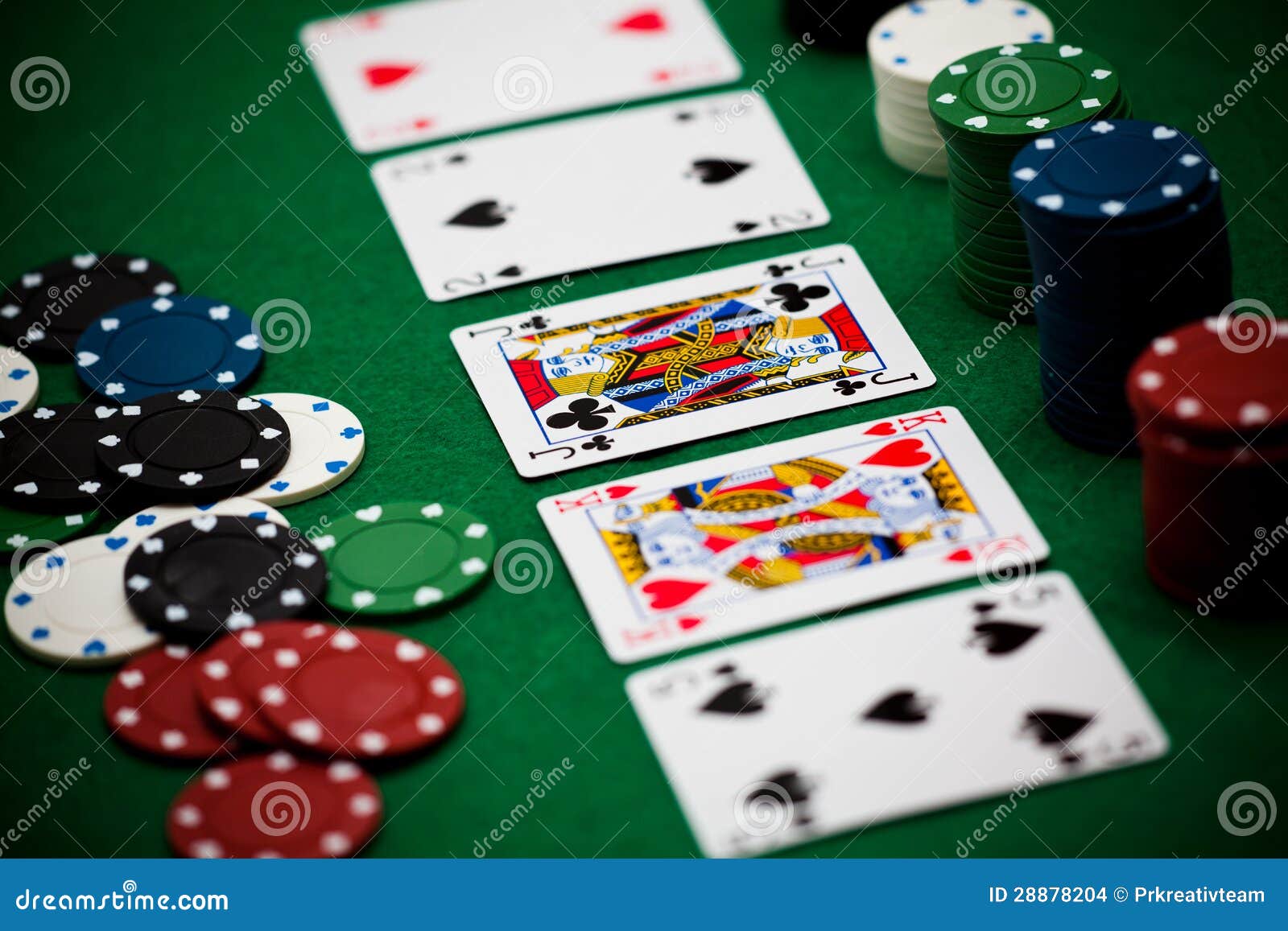
But there’s much more to it than just being cool. Professional players of poker games actually implement a series of tactical and mathematical calculations to ensure a win. They don’t put all that money on the line expecting nothing but divine forces to favor their bravery, after all. Many amateurs and aspiring professional players don’t realize there are tactics that statistically make them much more likely to rake in the chips.
So what are the best strategies for Texas Hold’em? It’s true that Texas is mostly a game of chance, and therefore, never truly predictable. Nevertheless, implementing some wise advice goes a long way to winning more games overall. If you’re looking for important tips on how to win at Texas Hold’em, you needn’t look further than this article.
Position Matters
Most newcomers to Texas Hold’em fail to think about the importance of each position on the table. Since the turns take place in a clockwise fashion, starting from the dealer’s left-hand side, there’s a kind of power dynamic going on at the table.
It’s well-known that the dealer has the most powerful position in the game. That is because they get to act last in each betting round. As a consequence, their decisions are the most well-informed, seeing that everyone else has already made their move. They are far from invincible, however. The one who plays right before the dealer has the power to force their hand, so to speak. For example, they can raise by so much that the dealer feels the need to fold.
Conversely, the person that bets first is generally in the tightest of binds. Since they start the wagering portion of the game, they effectively play blind (even more so than normal). You can imagine how much of a disadvantage that presents. The key takeaway is that not all are equal on the table, and one person is always the closest to winning the pot.
It’s a Numbers Game First
People usually believe that poker mostly revolves around luck and reading other people’s actions or reactions. While both certainly have a part in the game, in truth, playing poker demands a much more mathematical approach. More precisely, you will mostly rely on probability. You have to calculate the chances of someone carrying a better hand than you in addition to determining what cards your adversaries most likely hold.
A lot of Texas Hold’em can indeed be subjected to theoretical speculation. David Sklansky’s “The Theory of Poker” explains a comprehensive statement about the game’s nature. The gist of it is that any decision with the highest estimated value (EV) will most probably yield positive results. If you’ve ever heard that EV abbreviation in conversations about poker in general, that’s what it means: any action that should — in theory, at least — pay dividends.
As an extension of this strategy, try reading up on the more complicated and specialized concepts, like pot odds. Unless, of course, you’ve yet to understand the fundamentals, in which case, learn those first. Consider the likes of Dan Harrington, Mike Caro, and Gus Hanse. Their books predominantly deal with poker plays in general, but the wisdom is priceless nonetheless.
Pay Attention to Other Players
Too often, it happens that inexperienced players ignore the people around them. It’s understandable to get caught up in what your next course of action ought to be. Nevertheless, cutting yourself off from the table only serves to deny you crucial information. This isn’t solitaire, after all, so what the opponent does is just as vital as what you do.
So what does that all mean? For one, you should have an idea of what cards they might be holding. Secondly, you would be wise to have an estimate of how many chips they currently have. Further than that, you should keep an observant eye on how they play. How often do they fold? How good or frequent are their buffs? Do they play tight (not play many hands)? Or aggressively?
Once you gain a competent insight into a player, you can begin to think of winning poker strategies to counter their style.
Don’t Be Afraid to Fold
Folding may seem like a coward’s move. That’s the reputation it seems to enjoy with new players, at least. Believing that, however, will leave you dry for chips faster than anything else. That is because folding is just as tactical a move as raising or calling. Some seemingly winning hands simply aren’t meant to be, no matter how attached you’ve grown to them. While the community cards seemingly work in your favor, they could actually be favoring someone else even more. That turns your killer starting hand into a not-all-that-good hand.
In fact, folding about thirty percent of the time would do you well. This idea also applies to folding late in the game, mostly after the flop. Novel players often refuse to back away because they’ve already placed money on the line. But being stubborn will lead you nowhere but off the table eventually.
On a relevant note, this doesn’t mean that you should fold too often. Doing so could bring you to just as bad a fate. Your opponents will sense that you’re skittish and will continually pressure you into folding again. It also means that you’ll likely only play until showdown if you possess an excellent hand. As a result, your bluffs will hold little to no water.
Learn When to Bluff
Bluffing definitely remains one of the most idolized aspects of poker cash games. But it’s just as misunderstood. For one, you should know that a real bluff actually happens only after the river. Everything before that is technically a semi-bluff, seeing that the turn and river could actually grant you strong hands, so you wouldn’t have to bluff anymore.

Nitpickery aside, few situations really call for a bluff because it will seldom do you good. Even professionals steer clear of it (at least the big bluffs, anyway). Rather, good gamblers mostly bluff on small bets, minimizing the risk (a move they call “small ball”). A true “stone-cold” or “naked” bluff may only be a viable option in the direst of times. That requires your knowledge of basically everything on the table, especially the players you’re pitted against.
The best advice here would be to save bluffing for low-risk-low-reward scenarios. And even then, you should only occasionally rely on bluffs. Otherwise, you risk draining your bankroll either by trickling it away on small repeated blunders or going off with a bang. For now, leave those hot-shot plays for the movie heroes.
Keep Playing
Even considering all of this advice, the best way to improve is by practice. Of course, that doesn’t entail you sitting down at a table with poker tournament pros and wasting your money. All the same, you need to play repeatedly to gain an intuitive, automatic knowledge of every scenario. The world-class poker players certainly didn’t just land at the top of the competition. No, they worked their metaphorical fingers to the bone, continually optimizing their playstyle.
If you wish to even remotely match that kind of skill, you need to put in the work. There are tools to help you along; that’s for sure. For example, use odds calculators to tell you how good a chance your cards have in any given hand. In time, you’ll be able to determine these odds on your own. Ultimately, everything you read here needs to be put into practice for you to get a sense of what works for you and what doesn’t. Only that way will you progress on the road to mastering Texas Hold’em.
It can take years to learn how to become a winning poker player. One of the things that holds most players that back is playing too many hands. Another problem is putting yourself in a situation where you only win a small pot, but lose a larger pot when you take a beating.
The list of no limit Texas holdem trap hands on this page can help you avoid playing hands you shouldn’t play and help you avoid hands that yield lower rewards. After reading this page, I hope you learn something to apply in your next game of poker.
1 – Ace King Suited
Ace king suited is the most dangerous trap hand in no limit Texas holdem. It looks like a great hand before the flop, but it’s not going to win in a showdown unless it improves. It also tends to payout small pots when you do win with it and take big pots when you lose at the showdown.
When you flop a pair of aces or kings, your hand is decent, but you’re way behind a flopped set and you’re not much better off against two pair hands. If you get much action after the flop, the odds are good that you’re still behind.
As you can see by the titles of the sections on this page, many suited hands are dangerous. When you complete a flush with ace king, you always have the best possible flush, and as long as the board doesn’t pair, you have the nut hand.
The problem is that it’s hard to get paid after you hit the flush because your opponents can see that an ace high or king high flush is possible.
Possibly the biggest problem with ace king suited is the inability to fold the hand on the flop. Many players fall in love with the hand before the flop and continue putting money in the pot after the flop even when they don’t improve. When you miss the flop, you simply need to check and fold.
2 – Ace King
The unsuited version of ace king is even more dangerous than the suited version. You often see pros move all in before the flop with ace king on television and videos, so many players think it’s a strong hand. But they miss the context of the situation.
In a no limit Texas holdem tournament when you need to make a move, usually because of a short stack, getting all in with ace king before the flop is a good play. The only hands that dominate you are pocket kings and pocket aces.
But the problem is that you’re only a roughly 50/50 chance against all other pocket pairs. This isn’t the way to make a profit in most situations.
When you have ace king, you hope the flop has an ace or a king, giving you top pair and top kicker. While this is a strong hand, the only way you can usually build a large pot at this point is when you’re behind. When you flop top pair and top kicker and bet, most players are going to fold unless they have you beat or have a strong draw.
3 – Ace Queen Suited
Ace queen suited has the same problems as ace king suited in no limit Texas holdem. It looks good, but when you win the hand, it tends to be a small pot and when you lose the hand, it tends to be a larger loss. So keep that in mind when you’re gambling with real money.
Most of the value derived from ace queen comes when you complete a straight or receive the correct pot odds to draw to a flush. Hitting an ace or a queen on the flop is barely a breakeven play because of the small-win, lose-big dynamic.
4 – Ace Queen
Ace queen is worse than ace queen suited because you don’t have the flush possibilities, so it shouldn’t be played in many situations.

I see players enter the pot with ace queen from early position all of the time and it’s a costly play. In many games, I fold ace queen in middle position because it’s so weak on most flops.
Ace queen looks like a strong hand to inexperienced and weak players. But if you don’t flop a straight or strong straight draw with limited betting action, the hand is dangerous and costly. Even when you flop a pair of aces or queens, you’re weak because an opponent might have a set or two pair.
5 – Ace Little Suited
Many Texas holdem players play any ace suited with their other hole card. They see an ace with the added benefit of being able to complete a nut flush and decide that it has to be a profitable hand. But if you watch what the top players do with this hand, you’ll see that they fold it almost all of the time.
When you complete a flush, you have the nut flush, but everyone else can see the flush possibility so it’s hard to make much more money in the hand. If you flop a pair of aces, you either win a small pot because you have the best hand and everyone folds, or you lose a larger pot because you have a second best hand to a better ace or a set.
It might surprise you, but the most profitable way a hand can work out with an ace and a small card is when you hit a straight with ace five, ace four, or ace three. It’s hard for an opponent to put you on a wheel straight, so you can extract more money from them. The problem is you rarely complete a wheel straight.
6 – King Blank Suited
This is the worst hand on this list. King queen and king jack suited can be profitable, but any other suited king should be folded before the flop. When you enter the pot with a king suited to a 10 or lower, what do you hope to hit on the flop?
The best you can hope for is a flush with the ace on the board, but when this happens, you’re not going to get anyone to stay in the pot with you most of the time, which limits your upside.
If you flop a pair of kings, it might be top pair, but it’s still weak in no limit Texas holdem.
Even if you flop two pair, it’s not the strongest possible hand. King suited is weak, and profitable players don’t play it. It’s not worth ruining your casino bankroll.
7 – Middle Pairs
Middle pairs aren’t as bad as other hands on this list if you play them correctly. Almost the entire value of middle pairs comes from flopping a set. Nearly all of the money you lose with middle pairs comes when you don’t flop a set and stay in the hand.
When you miss the flop, you don’t have a good chance to win the hand, so you should check and fold when this happens.
The other issue some players run into is calling a raise before the flop, hoping to hit a set when the player who raised doesn’t have a deep stack. You need to have the opportunity to win eight or more times the bet you have to call when you hit a set to make it profitable. If the pre-flop aggressor doesn’t have at least eight times the bet in their stack, it’s not worth a pre-flop call.
8 – Small and Medium Suited Connectors
Some players overvalue small and medium suited connectors because they’ve read that it’s the best type of hand to have against a large pocket pair. While this is the truth if you have to play heads up against a large pocket pair, this is still a weak hand.
When you hit a flush, it’s never the nut flush, and when you hit a straight, it’s rarely the nut straight. When you hit a pair or two pair, it’s also rarely the nut hand. All of these things mean that when you win a hand, it’s likely to be a small pot, and when you lose, it’s likely to be a bigger pot.
9 – Small Pairs
Small pocket pairs can be quite dangerous in no limit Texas holdem play. If you flop a set, it looks like a strong hand. Usually, with a set, you should try to get all in as soon as possible. The problem with small sets is when you lose, you lose a huge pot. Set over set is one of the most painful and costly ways to lose in no limit play.
The other way that small pocket pairs can cost you money is when the flop doesn’t have any high cards. You’re tempted to stay in the hand because the flop doesn’t look dangerous, but your small pair still isn’t likely to win the hand.
When you bet on the flop with a small pair, if you’re ahead, all of your opponents are likely to fold. This lets you win a small pot. But when you bet and are called, the odds are that you’re behind, and you’re going to lose more than you win when everyone else folds.
Conclusion
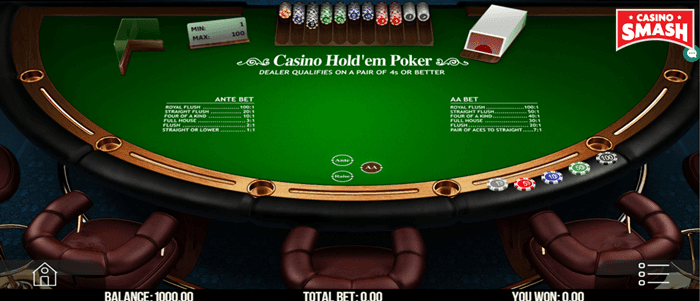
How To Win Texas Holdem At Casino Poker
As you can see from this list, it’s dangerous to overvalue suited cards. Most of the hands on this list also have the problem of winning small pots and losing larger pots. You need to put yourself in the position to lose small pots and win big pots if you want to be a profitable no limit Texas holdem player.