
Do You Get Taxed On Gambling Winnings Uk
3/22/2022 admin
Do You Get Taxed On Gambling Winnings Uk Average ratng: 3,6/5 9962 reviews
onlinecasinoselite.org › Blog › UK gambling Taxation System Explained
- Do You Get Taxed On Gambling Winnings Uk 2020
- Do I Have To Pay Tax On Gambling Winnings Uk
- Do You Pay Tax On Casino Winnings Uk
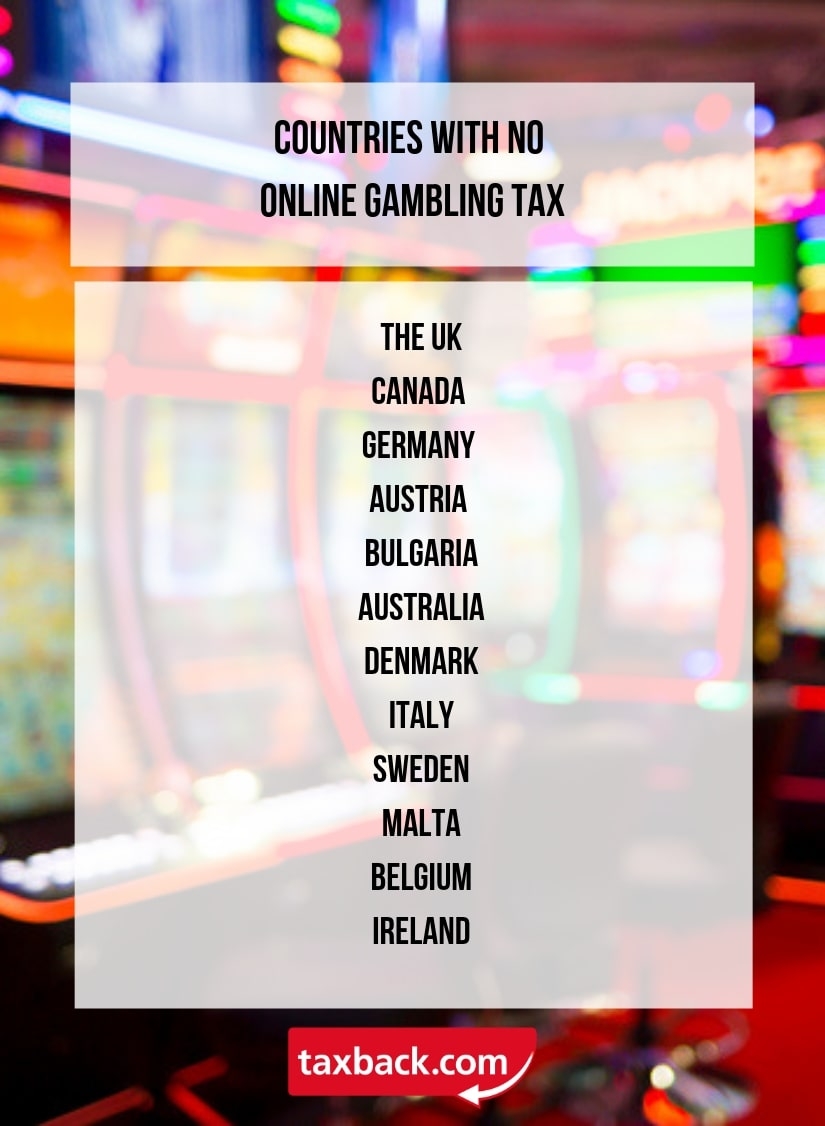
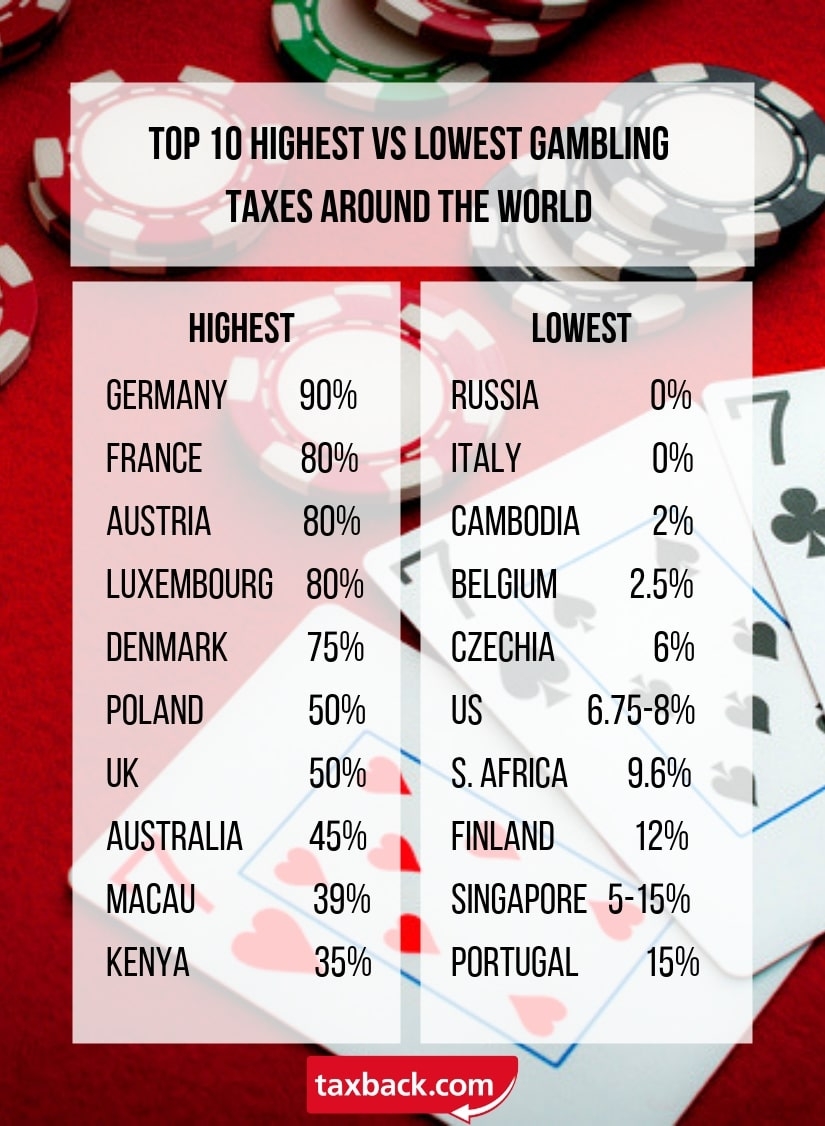
Inheritance tax isn’t the only issue you may find. Any income from your lottery winnings, such as interest or investment returns, is taxable. The initial answer is no, you do not pay tax on lottery winnings. However you may find you will have to pay in the future. Especially if you do not have any written agreements in place. Gambling winnings aren’t taxable in the UK. While other countries will tax anywhere between 1% and 25%, the UK won’t care if you’ve won £10 or £10.000.000. No matter what kind of gambling you’re doing from bingo to horse racing and everything in between, there will be no gambling winning tax in the UK. Gambling winnings are not currently taxed in the United Kingdom. Instead, casinos and other betting sites pay taxes on their profits. Remote gaming operators currently pay a 15% duty. Unless you plan on operating a casino, this will be of little concern to you.
It’s difficult to do anything in life without having to pay the government in the form of tax. So surely the gambling industry is no exception?
If you expect you need to declare your gambling winnings to the government, you might be in for a surprise.
The gambling tax explained
The UK gambling tax system is very advantageous to players. Not only does it work out in your favour, but it is also incredibly easy to understand.
Whenever you gamble in the UK, you are not required to pay any tax whatsoever. You don’t have to pay tax on your winnings and there’s also no need to pay any tax on your initial stake either.
This, of course, means you don’t need to report your winnings to the taxman. If you win £5,000 at an online casino, you get to keep that amount in full! This is a great improvement on the policies of other countries where you don’t actually get to keep all of your winnings.
Who gets taxed?
So how is this all possible? The gambling industry is worth a lot of money, so why is the government not taxing it?
Instead of taxing the players, the UK government actually taxes the operators. But this wasn’t always the case. In the past, you used to pay a tax to the government either as a tax on your stake or as a tax on your winnings. What changed then?

In 2002, the UK government was concerned the British gambling industry wasn’t going to be able to compete with the rise of online gambling sites in UK. This led the government to .
As we can see today, the decision was a successful one. The UK gambling industry is still alive and well to this day.
What about professional gamblers?
Professional gamblers might actually have one of the only professions that are not actually taxed in the UK. If you are lucky enough to gamble for a living, you don’t need to pay the tax man a penny on your gambling winnings.
The reasoning for this is fairly simple. If the government was allowed to tax you for doing a certain activity such as gambling, under the current tax system, you would have the ability to claim money back from the government for your losses.
The UK government does not want to open the floodgates for everyone who loses money gambling to claim money back. Not only does this mean professional gamblers won’t ever be taxed, but it also means the gambling tax is unlikely to return any time soon.
Do You Get Taxed On Gambling Winnings Uk 2020
How did operators react?
It’s no surprise that casino operators were not too thrilled about this new taxation system. Operators looked for a way to pay as little tax as possible.
Some of them starting running their businesses out of “tax haven” countries. These countries require casino companies to only pay a very small amount of tax compared to the UK. This is a big reason you will see certain countries such as Malta coming up over and over again in the gambling industry; they offer very favourable tax rates to casino operators.
Unfortunately for the operators, the UK government took a stand against this practice. They introduced the Point of Consumption Tax (POCT).
According to this tax, a casino company must pay the tax according to the country their players are living in. This means that if a UK player accesses a casino site from the UK, the operator will need to pay the UK tax on their player’s activities.
Enjoy tax-free gambling
The tax system for players in the UK is elegantly simple. You don’t pay any tax whatsoever on any kind of gambling transaction. It’s the operators who have to worry about navigating the UK tax system, not the players.
What Else Might Interest You:
Online Roulette - Some basics for beginners Although roulette is truly a game of chance, it should be analyzed carefully to increase the probability... read more
Top 10 Online Casinos Based on the tests done last year, here is the list of the top 10 online casinos which onlinecasinoselite.org... read more
 Casino Jack - a new film by George Hickenlooper
 Casino Jack (2010 - Director: George Hickenlooper) One of the most exciting and watchable film, Casino... read more
Gaming and Gambling: The Differences Gaming is a broad umbrella term for a number of types of play or activity. It includes gambling in many... read more
COMMENTS:
By loading and joining the Disqus comments service below, you agree to their privacy policy.
Please enable javascript to view the Page Comments powered by Disqus.
If you’ve ever won a jackpot through bingo, slots or the lottery, you might have wondered if your winnings are taxable...
If you find yourself lucky enough to win big, do you have to declare it and pay taxes? If that thought has ever crossed your mind, you’re in luck because BingoPort has you covered. We’ve put together a guide that will answer whether your winnings really are taxable, a brief history of gambling laws and a look at how this might impact you.
So, if you’ve bagged yourself a big jackpot, congratulations! If you’re just here for the information, don’t worry—we’re sure your time will come someday.
Are Bingo Winnings Taxable?
The short answer is no—your gambling winnings aren’t taxable, at least in the UK. Here you won’t have to pay taxes on any of your winnings or stakes. It doesn’t matter if you’ve won £100 or £1 million. This applies to all types of gambling—from bingo, to slots, to lotteries, and even horse racing. So if you win big, you can rest assured knowing that you can spend your money in whatever way you’d like.
Depending on the site you’re using, your winnings will either be paid to you in one lump sum, or as a certain amount each month. If you’ve won recently, or you frequent a particular site, casino or betting brand, you should check their Terms and Conditions—this will lay out everything you need to know should your lucky day come.
If you don’t live in the UK your winnings might be subject to a tax, so it’s important that you check in advance. For example:
- France has a 2% tax on poker cash pots.
- In Spain, you need to declare winnings as income for taxation.
- The Netherlands has a 29% tax if you win more than €454 in the lottery.
If you’re a UK citizen and you find yourself gambling abroad, you generally won’t need to worry about taxes. Most countries have treaties with the UK, so you won’t be subject to their tax requirements.
Gambling wasn’t always tax-free however—check out the section below for a summary of the history of gambling and taxes in the UK.
History of Gambling Laws
Betting shows were first legalised with the 1960 Betting and Gaming Act, in which a tax was levied either on stakes or winnings in high street betting shops. This was charged at a whopping 9% for punters. It was abolished by Gordon Brown in his March budget of 2001.
This tax on gamblers themselves was replaced with a 15% tax on bookmakers and their gross profits at point of supply instead. This ‘point of supply’ basis meant that if a bookmaker wasn’t based in the UK, they weren’t liable however. This was a pressing concern for Brown, who feared that the UK was losing revenue to offshore gambling sites.
In fact, more and more bookmakers moved their online operations offshore where they would only have to pay the local tax rate on profits—this was capped at 1% in Gibraltar!
This changed with an amendment to the 2005 Gambling Act in 2014. From this point, the tax was changed to 15% on all gross profits at point of consumption—including offshore companies. This meant that gambling operators in Gibraltar and the Isle of Man for example, were now obliged to pay tax in order to obtain a gambling licence. This amendment essentially made it illegal to operate in the UK without a UK gambling licence.
This had a huge impact in making UK-based bookies and betting shops more competitive—increasing the growth and success of the gambling industry in the UK.
So, Why Aren't They Taxable?
To put it simply, it’s just easier for everyone involved to leave winnings untaxed. For example, if people are paying taxes on their winnings just like businesses do, then it would potentially be possible to claim back losses on tax returns. As you can imagine, this would be a nightmare, especially considering the fact that most people lose when it comes to gambling. After all, we all know what the 10 stages of losing at bingo are like!
Who Exactly Pays The Tax?
The casinos and bookmakers are the ones now paying the tax—this is the way they contribute to the UK’s economy. There are a variety of different taxes and gambling duties:
- General betting duty
- Bingo duty
- Machine games duty
- Lottery duty
- Gaming duty
- Remote betting duty
Before you start thinking about how tough it must be for gambling businesses, or how great it might be for you, bear in mind that they do pass these costs on to you in some way. For example, some online gambling sites have high wagering requirements or lower odds.
What If You're A Professional Gambler?
When we say ‘professional gambler’, we mean someone who essentially uses gambling as their main source of income. But even if this is the case and you are a professional gambler, the answer is still no—your winnings are not taxable.
This is backed up by the HMRC’s Business Income Manual at BIM22015. Their position is that betting and gambling don’t constitute trading:
“The fact that a taxpayer has a system by which they place their bets, or that they are sufficiently successful to earn a living by gambling does not make their activities a trade”.
Gambling winnings, therefore, remain tax-free, regardless of whether it’s your main source of income or a simple hobby. An example of this goes back as far as 1925, in which a man named Alexander Graham was taxed by Inland Revenue. Graham made a living out of betting on horses, so Inland Revenue claimed £300 from him under the 1918 Income Tax Act. This case went to court, where Graham’s lawyers argued that betting on horses couldn’t be considered a trade. The judge eventually ruled that you can’t tax “habit”.
That’s not to say that professional gamblers can’t ever be subject to tax. It can get a little bit complicated. For example, if a professional gambler is being paid an appearance fee for playing at a particular tournament, then this would be a type of income that would be liable for tax.
So, I Don't Have To Worry At All Then?
While your winnings aren’t taxable by any gambling laws, that doesn’t mean you don’t have to worry. After all, other taxes may still be applicable.

A problem that many lottery winners have is extra tax—particularly on the ‘bigger’ wins. Any income that you generate from your winnings could be subject to income tax—for example, income earned through investments would be subject to a capital gains tax at 18%! And that’s not all—your winnings might even be liable to an inheritance tax when you die.
An inheritance tax is levied on property or cash acquired by a gift or inheritance. The threshold for this tax is £325,000, so if your ‘estate’ is worth more than that, you’re looking at a 40% tax. While you can give your money away to people or charities, it’s still liable should you die within 7 years of the gift.
You can give away £3,000 each year tax-free to any one person, or £250 as a gift to someone as long as they’re not gifted any further. If you give more than this away and you die, it will be liable to this tax. If you live longer than the allotted 7 years, it will be exempt from the inheritance tax.
If you do end up winning big—whether it’s through bingo, the lottery or a casino—you should definitely look to a financial advisor for help on how to invest your money and how to protect it.
Before going out to buy your lottery tickets for the week, find out if the lottery is worth playing.
Conclusion
Well, there you have it. If you live in the UK, our tax laws mean that you can gamble tax-free, without a single worry. Generally speaking, it isn’t very likely that this will ever change—taxing gambling winnings will never be viable for the UK. After all, if you tax the income or profit made from an activity, you have to make allowances for any losses made from the same activity.
Do I Have To Pay Tax On Gambling Winnings Uk
Now you know that, you can keep playing bingo without a care in the world!
Do You Pay Tax On Casino Winnings Uk
Feeling lucky?Why not try one of BingoPort’s recommended bingo sites like Gala Bingo?